info@invictafireprotection.uk
Tel: 07510522745
info@invictafireprotection.uk
Tel: 07510522745
What is Passive Fire Protection?
Passive fire protection (PFP) involves structural measures like fire doors, fire-resistant walls, intumescent seals that contain fire and smoke,
ensuring safe evacuation and compliance with
The Regulatory Reform
(Fire Safety) Order 2005.
Unlike active systems (e.g., sprinklers, alarms),
Passive Fire Protection is always “on” without needing activation.
Why is it Critical?
• Protects Lives: Stops fire and smoke spread, giving occupants time to escape.
• Ensures Compliance: Meets fire authority and CQC requirements
• Saves Property: Limits fire damage, reducing repair costs
How Can Invicta Help?
As local fire safety experts, we specialize in Passive Fire Protection, offering competitive
quotes and 100% due diligence. Our services include fire doo installation, fire-resistant walls, and compliance audits, all delivered with the highest standards in quality and service
Passive Fire Protection
The Difference between Active and Passive Fire Protection
2015
The Regulatory Reform (Fire Safety) Order 2005
Where the premises are a workplace, the responsible person must ensure that any duty imposed by articles 8 to [F122B] or by regulations made under article 24 is complied with in respect of those premises.
50%
Lives Saved
The National Fire Protection Association (NFPA) reports that fire barriers and compartmentation, key PFP elements, can reduce fire-related deaths by up to 50% by providing critical evacuation time.
60-80%
Cost Efficiency
Studies estimate that effective PFP can reduce fire damage costs by 60–80%, as it limits the spread and extent of destruction, offsetting initial installation costs.
Tagline
18,076
Informal Notices issued in 2024
7.1% Increase from 2023, often addressing minor passive fire protection issues like improperly maintained fire doors or unsealed penetrations. 2,823 formal notices were issued post audit and 1,671 enforcement notices were issued under article 30 in 2024. Shops 18%, License premises 13%, carehomes 11%.
90%
Global Impact
The Fire Protection Research Foundation notes that buildings with robust PFP systems have a 90% higher chance of containing fires to the room of origin compared to those without.
42%
Of Fire Safety Audits were Unsatisfactory in 2024
42% of audited premises had passive fire protection or other fire safety deficiencies requiring corrective action.

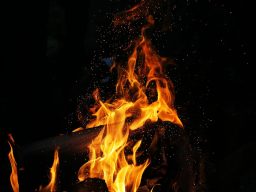


To mitigate these dangers, prioritizing and implementing robust fire safety measures is essential to protect both occupants and property.
Fire safety in buildings requires a multi-layered approach, combining active and passive fire protection strategies to prevent, contain, and minimize the impact of fires. Penetration sealing is a critical component of passive fire protection.
In this blog, we’ll explore how penetration sealing works and why it’s a vital part of an effective fire protection strategy.
Who Can Install Penetration Sealants?
Professional installation is crucial for effective penetration sealing. While the process may appear simple, trained experts ensure that sealants are installed to meet stringent safety standards, guaranteeing their performance in a fire.
What is a Passive Fire Protection Strategy?
A passive fire protection strategy uses a building’s design and materials to slow the spread of fire, smoke, and heat, providing critical time for occupants to evacuate and for emergency services to respond.
Unlike active fire protection measures, such as sprinklers or fire extinguishers, which require manual activation, passive fire protection is built into the
structure and functions automatically during a fire
What Areas Require Penetration Sealing?
Penetrations are necessary for essential building systems like plumbing, electrical, HVAC, and internet installations. However, these openings can compromise fire-rated barriers, reducing the building’s overall safety.
By sealing the following penetrations, you can prevent fire and smoke from spreading, slowing the fire’s progression and minimizing damage:
- Pipes
- Cables, Cable baskets and trays
- Air ducts
- Waste pipes
- Linear Gaps and Cavity Barriers
Choosing the right materials and installation specification for penetration sealing is critical to ensuring effectiveness and compliance on the required Fire Rating. Using non-fire-resistant materials can undermine the sealant’s purpose. Here are four key materials used for penetration sealing:
Mineral Wool Ablative Coated Board
Mineral wool boards are highly effective for fire protection due to their resistance to high temperatures. Installed around penetrations, they provide thermal insulation and block the spread of flames.
Intumescent Mastic
This sealant expands when exposed to heat, forming a barrier that seals gaps and prevents fire and smoke from spreading. High-expansion intumescent mastic is ideal for larger openings or voids.
Intumescent Paint
Like intumescent mastic, this paint expands under heat to create a thick, insulating layer that protects against fire spread.
Intumescent Pipe Collar
These collars encircle pipes and expand when heated, creating a tight seal to block fire and smoke.
.Versatile Applications
Penetration sealing is adaptable to various building services, from small pipe penetrations to larger openings for ducts, cables, or dampers.
Cost-Effective in the Long Term
While installation costs depend on the size and complexity of penetrations, the long-term benefits of reduced fire damage far outweigh the initial investment.
Ensure Maximum Fire Safety with Invicta Fire Protection
At Invicta Fire Protection, we recognize the importance of a comprehensive fire safety strategy. Our team of highly qualified specialists is dedicated to delivering top-tier passive fire protection installation services. You can trust us for the installation and maintenance of:
- Penetration sealing
- Cavity barriers
- Fire compounding
- Fire doors
What Are the Key Elements of Passive Fire Protection?
- Fire-resistant materials
- Compartmentation
- Smoke control measures
- Penetration sealing
Why is Penetration Sealing an Effective Fire Protection Feature?
Containment of Fire and Smoke
Penetration sealing blocks the spread of fire and smoke through openings, containing them within compartments and allowing occupants more time to evacuate safely.
Preserves Structural Integrity
By sealing penetrations, fire-rated barriers maintain their structural integrity, reducing the risk of collapse or damage during a fire.
Regulatory Compliance
If you own, manage, or occupy a building (other than a single private dwelling), you have a legal responsibility to conduct a fire risk assessment and implement adequate fire safety measures throughout the structure.
We need your consent to load the translations
We use a third-party service to translate the website content that may collect data about your activity. Please review the details in the privacy policy and accept the service to view the translations.